

What Happens To Your Skin While You Sleep

Sleep is often described as the body’s opportunity to rest and recover, but your skin remains remarkably active throughout the night. While you are sleeping, your complexion continues to regulate hydration, maintain its protective barrier, and undergo the cellular processes that influence its overall health and appearance. Yet despite spending approximately a third of our lives asleep, most people rarely consider what is actually happening to their skin during those hours.
We tend to associate the way our skin looks in the morning with how many hours we slept, but there is more happening beneath the surface. Sometimes you wake up with a complexion that looks smoother, plumper, and more rested. Other mornings, fine lines seem more pronounced, your skin feels unusually dry, or the area around your eyes looks as though it barely recovered from yesterday. These differences can be influenced by changes in hydration, barrier function, and the body’s natural sleep-wake cycle.
That distinction is part of what makes nighttime skincare so important. Your skin does not simply switch into repair mode when the lights go out, nor does it automatically absorb every ingredient more effectively because you are asleep. Instead, nighttime presents an opportunity to support the biological processes already taking place while addressing concerns that require consistent treatment. Understanding what happens overnight can change the way you approach your evening routine, making it less about applying as many products as possible and more about providing the support your skin actually needs.
Your Skin Doesn’t Stop Working When You Fall Asleep
Throughout the day, your skin is constantly responding to its surroundings. Sunlight, pollution, temperature changes, and fluctuations in humidity all influence the condition of your complexion. Meanwhile, the skin barrier works continuously to retain moisture and limit exposure to environmental irritants. Those responsibilities do not disappear at night, but the internal environment in which many of these processes take place begins to change.
Like much of the body, the skin follows a circadian rhythm, an approximately 24-hour biological cycle that helps regulate various functions. Skin temperature, blood flow, barrier behavior, and cellular activity can fluctuate throughout the day and night. Sleep also supports the body's broader recovery processes, which help maintain the skin’s condition and ability to respond to everyday stress.
This is why the relationship between sleep and skin health extends beyond simply looking rested in the morning. Your skin is continuously maintaining itself, and sufficient sleep helps support the biological processes involved in keeping it healthy.
Your Skin May Lose More Moisture Than You Realize Overnight
It is easy to assume that skin should remain adequately hydrated overnight because you are no longer spending hours outdoors or exposed to the same environmental conditions as you are during the day. In reality, the skin continues to lose water even while you sleep. This process, known as transepidermal water loss, occurs naturally as moisture moves through the skin and into the surrounding environment.
Changes in barrier function, skin temperature, and environmental humidity can influence how much moisture escapes. Research suggests that water loss can increase during certain nighttime hours, although the pattern varies. Indoor heating, air conditioning, and dry bedroom air can also contribute to dehydration, particularly when the skin is already struggling to retain moisture.
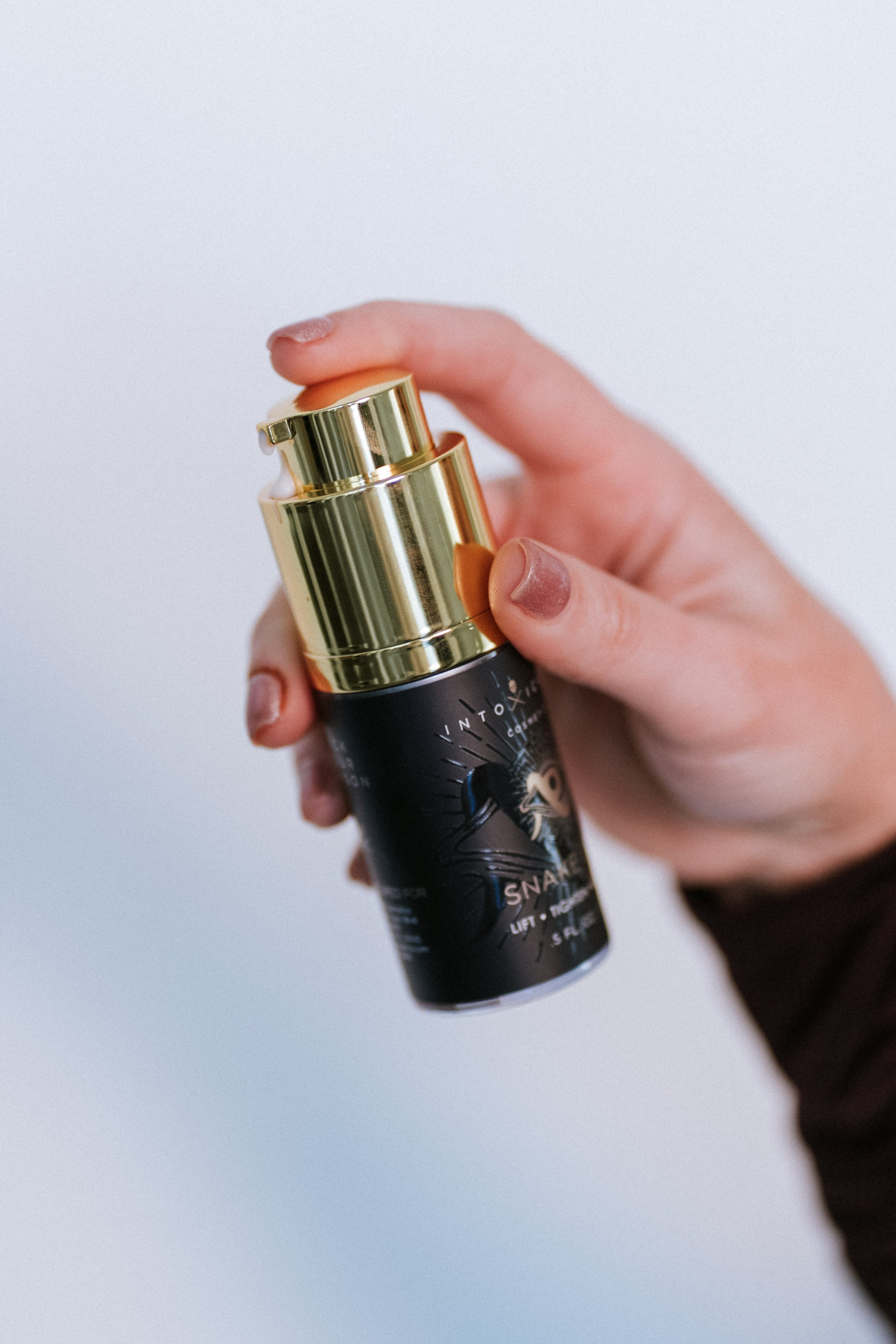
This is why you might go to bed with skin that feels comfortable and wake up noticing tightness, rough texture, or fine lines that appear more pronounced. Snail Serum becomes particularly relevant here. Its formula combines XEP™-018, a biomimetic peptide designed to soften the appearance of expression lines, with Hydraprotectol, Hyadisine, and additional skin-conditioning ingredients that support hydration, moisture retention, and firmness. Rather than focusing exclusively on intensive treatment, Snail Serum helps address an equally important consideration: maintaining the moisture and suppleness that influence how the skin looks and feels when you wake up.
Cellular Renewal Continues While You’re Sleeping
Your skin is constantly replacing cells. New cells develop within the deeper layers of the epidermis and gradually move toward the surface, where older cells are eventually shed. This process helps maintain the skin’s protective function and contributes to the appearance of its texture and tone. However, as skin ages, cellular turnover can become less efficient, allowing dead cells to accumulate and making roughness, dullness, and uneven texture more noticeable.
Although cellular activity follows biological rhythms, nighttime is not the only period when renewal occurs. The more meaningful consideration is how consistently your skincare supports these processes. This is where Sea Venom Retinal serves a different purpose from a traditional hydrating serum.
Retinaldehyde, a Vitamin A derivative, helps support cellular turnover and collagen production while improving the appearance of fine lines, wrinkles, and uneven skin tone. Sea Venom uses stabilized Retinaldehyde within a Microsponge® delivery system designed for gradual release, alongside ingredients that support skin comfort, hydration, and firmness. Its purpose in an evening routine is not to suddenly activate an otherwise dormant process, but to support ongoing renewal and address visible changes that develop gradually rather than overnight.
Your Skin Barrier Still Needs Support At Night
The skin barrier is often discussed in relation to environmental protection, but one of its most important responsibilities is keeping water where it belongs. The outermost layer of the skin contains a combination of cells and lipids that help prevent excess moisture loss while protecting against external irritants. When this protective structure becomes compromised, water can escape more easily, leaving the complexion increasingly prone to dryness, tightness, flaking, and visible irritation.
Those concerns do not resolve simply because you have gone to sleep. In fact, an already-compromised barrier may struggle to maintain comfortable hydration throughout the night. This is why moisturizer deserves just as much consideration in an evening routine as the more targeted treatments that come before it.
Antidote Moisturizer combines long-lasting hydration with ingredients that support firmness, collagen, and environmental defense. Pentavitin® helps maintain moisture, while Matrixyl® Synthe’6® and Venuceane™ provide additional support for visible signs of aging and overall skin condition. The objective is not simply to make your complexion feel moisturized before bed, but to provide lasting support while your skin continues managing water loss and maintaining its protective function.
Poor Sleep Can Eventually Become Visible In Your Skin
Almost everyone has experienced looking in the mirror after a particularly restless night and noticing that something seems different. Perhaps the complexion looks duller, the eye area appears more tired, or fine lines seem more pronounced. These changes can be influenced by fluctuations in hydration, circulation, and the body’s response to insufficient sleep. While one poor night does not suddenly cause significant skin aging, consistently inadequate sleep can influence the processes responsible for maintaining healthy skin.
Sleep is closely connected to immune regulation, hormonal activity, and the body's response to stress. When normal sleep patterns are repeatedly disrupted, these systems may become less efficient at supporting recovery and maintaining the skin barrier. Research has also associated chronic poor sleep with changes in visible skin aging and reduced barrier recovery, reinforcing the relationship between adequate rest and long-term skin health.
This is an important distinction because even the most complete skincare routine cannot replace the physiological benefits of sleep. Products can support hydration, cellular renewal, and firmness, but the condition of your skin is also influenced by what happens beyond your skincare routine.
Your Skin Is Doing More Overnight Than You Think
Nighttime skincare is often approached as an opportunity to correct everything the skin experienced throughout the day. But the processes involved in maintaining healthy skin are far more complex than what any single product can address. Cellular renewal, moisture retention, barrier function, and the body’s natural recovery processes all contribute to how your complexion looks and feels when you wake up.
The purpose of a nighttime routine is to support those processes rather than expect an entirely different complexion by morning. Some benefits, particularly those related to hydration, may become noticeable relatively quickly, while improvements in firmness, fine lines, and uneven texture require more consistent care.
Your skin continues working long after you have finished your routine and turned out the lights. Understanding what happens during those hours allows you to approach nighttime skincare with more realistic expectations and recognize that the most effective routines work alongside your skin’s natural processes rather than trying to replace them.
Kommentare