

What Happens to Skin as Winter Shifts Into Spring

Skin rarely changes overnight. Most shifts develop slowly, becoming noticeable only as the complexion feels less comfortable. As winter turns to spring, many notice these subtle skin changes. Hydration can feel inconsistent, texture less refined, and the complexion duller than a few months earlier.
Months of cold air, low humidity, and constant indoor heating quietly deplete the skin’s moisture reserves. By the time temperatures begin to warm, the skin is frequently still recovering from prolonged dehydration that developed slowly beneath the surface.
What many perceive as dullness or dryness during this time is often the skin responding to a period of environmental stress that disrupted its hydration balance. The shift into spring simply makes that imbalance more visible.
How Winter Depletes the Skin’s Hydration
Throughout the colder months, the environment surrounding the skin becomes significantly harsher. Cold air holds far less humidity than warmer air, which means there is less moisture available for the skin to absorb from the environment. Indoor heating further reduces humidity levels, creating dry conditions that make it increasingly difficult for the skin to maintain its natural hydration.
Over time, constant exposure to dry air makes it harder for the skin to retain its natural moisture. The barrier that normally keeps hydration sealed within the skin can become stressed, allowing moisture to gradually slip away throughout the day.
As hydration declines, the complexion may begin to feel tight or less comfortable. Fine lines can appear more noticeable simply because the skin lacks the moisture that normally helps maintain smoothness and flexibility. Texture may feel rougher, and the natural luminosity associated with well-hydrated skin can begin to fade.
This often happens when the skin begins asking for more than surface-level moisture. It needs ingredients that can draw hydration into the skin while helping it hold onto that moisture more effectively.
Rebuilding Hydration as the Seasons Change
As winter begins to give way to spring, restoring hydration becomes one of the most important ways to help the skin regain balance. This often begins with ingredients that help the skin attract and retain moisture while improving overall skin clarity.
Formulas such as E.C.Dysis Vitamin C Serum help support this first step. While Vitamin C is often associated with brightness, it also plays an important role in helping the skin maintain structure and resilience. Paired with hydrating ingredients like Hyaluronic Acid and Hydraprotectol, the serum helps draw moisture into the skin while supporting collagen activity and improving overall smoothness. As the skin becomes more hydrated and balanced, it becomes better able to absorb and maintain the products that follow.
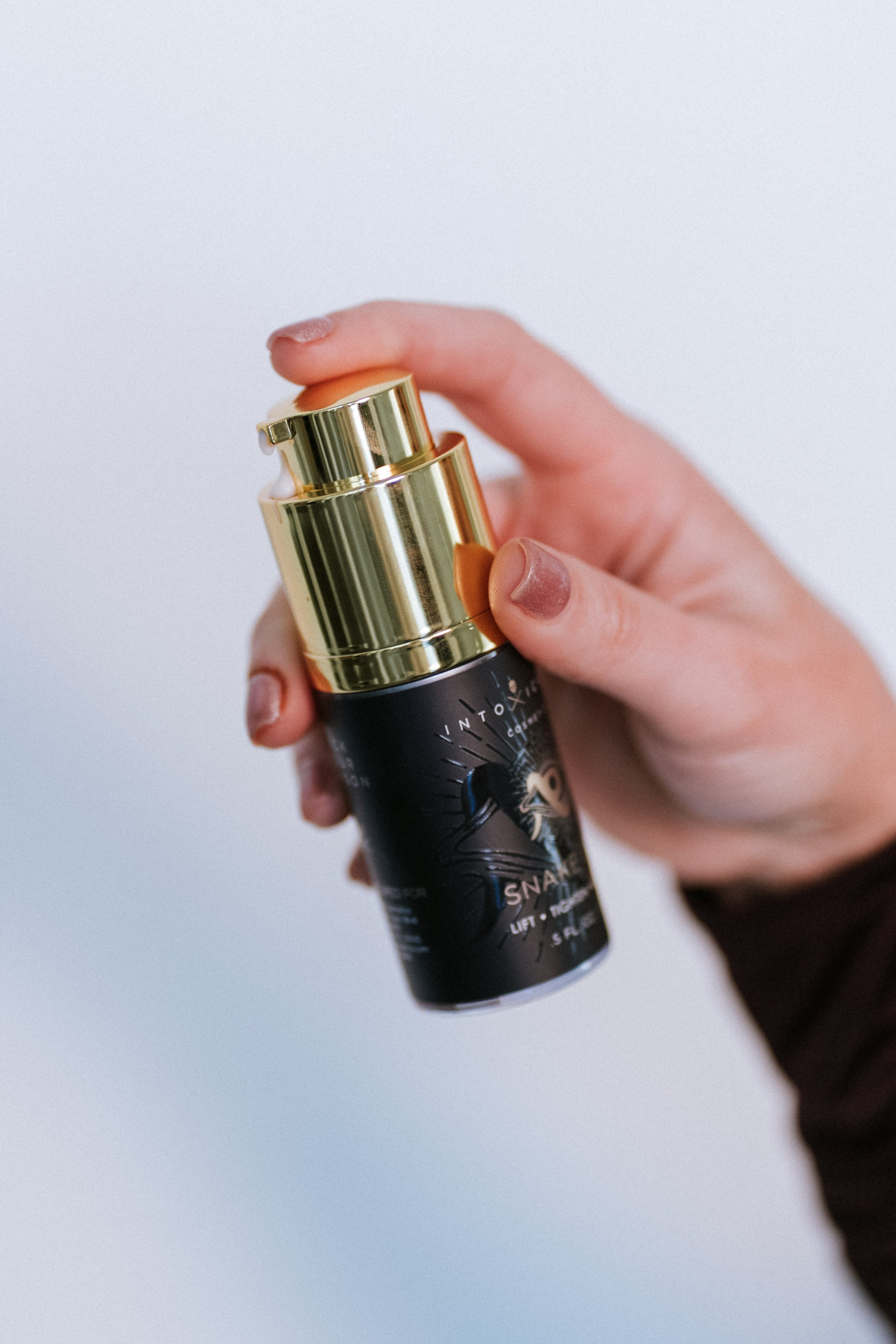
Hydration can then be reinforced through regenerative peptide support. Snail Serum, powered by the biomimetic peptide XEP™-018, helps soften the appearance of expression lines while supporting elasticity and flexibility in the skin. Ingredients such as Hyadisine and Hydraprotectol help maintain deeper hydration levels, allowing the complexion to appear smoother and more supple as it recovers from the dryness of winter.
Finally, maintaining hydration requires strengthening the barrier that keeps moisture within the skin. Antidote Moisturizer helps reinforce this barrier while delivering lasting hydration through Pentavitin®, an ingredient known for its ability to bind moisture to the skin for extended periods of time. At the same time, Matrixyl® Synthe’6® supports collagen production and visible firmness, helping the skin appear smoother and more resilient as environmental conditions begin to shift.
When these types of formulas work together, hydration is not simply applied to the skin. It is supported, maintained, and gradually restored.
When Hydration Begins to Return
As hydration levels begin to stabilize, the skin often reflects this change in subtle but noticeable ways. Texture appears smoother, fine lines look softened, and the complexion gradually regains the clarity associated with balanced skin.
Rather than feeling temporarily moisturized, the skin begins to hold hydration more naturally throughout the day. The complexion appears calmer, more refined, and visibly healthier as the barrier becomes stronger.
The transition from winter into spring often reveals just how much the skin has been working beneath the surface to maintain balance. With consistent hydration and supportive skincare, the complexion gradually returns to the smooth, resilient state it naturally prefers.


Comentarios