

Why Your Skin Can Feel Dry Even After Applying Moisturizer

There is something particularly frustrating about applying moisturizer only to find your skin feeling dry again a few hours later. Initially, everything seems fine. Your complexion feels soft, the tightness disappears, and your skin looks hydrated. But as the day progresses, that familiar dryness returns, sometimes accompanied by rough texture, more noticeable fine lines, or an uncomfortable feeling of tightness.
The instinctive response is usually to apply more moisturizer. After all, if your skin feels dry, wouldn’t a richer cream or an additional layer solve the problem? Not necessarily. Skin can feel moisturized on the surface while still struggling to maintain adequate hydration, and even the most luxurious formula may not fully address the cause of that discomfort.
Keeping skin hydrated involves more than simply applying moisturizer. Water levels, natural oil production, environmental conditions, and the skin’s protective barrier all influence how effectively moisture is maintained. Understanding these factors can help explain why dryness persists and why the solution may have less to do with using more product and more to do with identifying what your complexion actually needs.
Dry Skin And Dehydrated Skin Are Not The Same Thing
The words dry and dehydrated are often used interchangeably, but they describe two different conditions. Dry skin is generally a skin type characterized by lower natural oil production, which can leave the complexion feeling rough, tight, or prone to flaking. Dehydrated skin, on the other hand, lacks sufficient water, something that can happen regardless of how much oil your skin produces.
This explains why someone with an oily complexion can still experience tightness, noticeable fine lines, or dryness. Oil and water serve different purposes within the skin. Natural oils help protect and soften the surface, while water maintains the flexibility and suppleness of skin cells. Having enough of one does not necessarily mean having enough of the other.
Understanding the difference is important when choosing skincare. A rich moisturizer may benefit naturally dry skin, while dehydrated skin may need additional support to attract and retain water. Recognizing what your complexion is lacking can help explain why simply applying more moisturizer does not always solve the problem.
Why Your Skin Can Feel Hydrated One Hour And Dry The Next
Think about how your skin feels immediately after applying moisturizer compared with several hours later. The initial softness can make it seem as though your complexion has received everything it needs. However, feeling moisturized right after application does not necessarily mean your skin will maintain that hydration throughout the day.
Water continuously escapes from the skin through a natural process called transepidermal water loss. Your skin barrier helps regulate this process, but when the barrier becomes compromised or environmental conditions are particularly drying, moisture can escape more easily, leaving the complexion feeling tight or uncomfortable.
Temperature changes, low humidity, indoor heating, and air conditioning can all influence how well your skin retains moisture. Even without changing your skincare routine, moving between different environments throughout the day can affect your complexion.
This is why dryness can return despite consistent moisturizing. A product may provide immediate comfort, but maintaining hydration also requires supporting the skin’s ability to retain moisture as environmental conditions change.
Why Moisturizer Alone May Not Be Enough
Not all moisturizing products work the same way, and a richer texture does not necessarily mean better hydration. Some ingredients attract and bind water to the skin, while others soften the surface or help prevent moisture from escaping. A formula may provide immediate comfort without necessarily addressing everything your complexion needs to stay hydrated throughout the day.
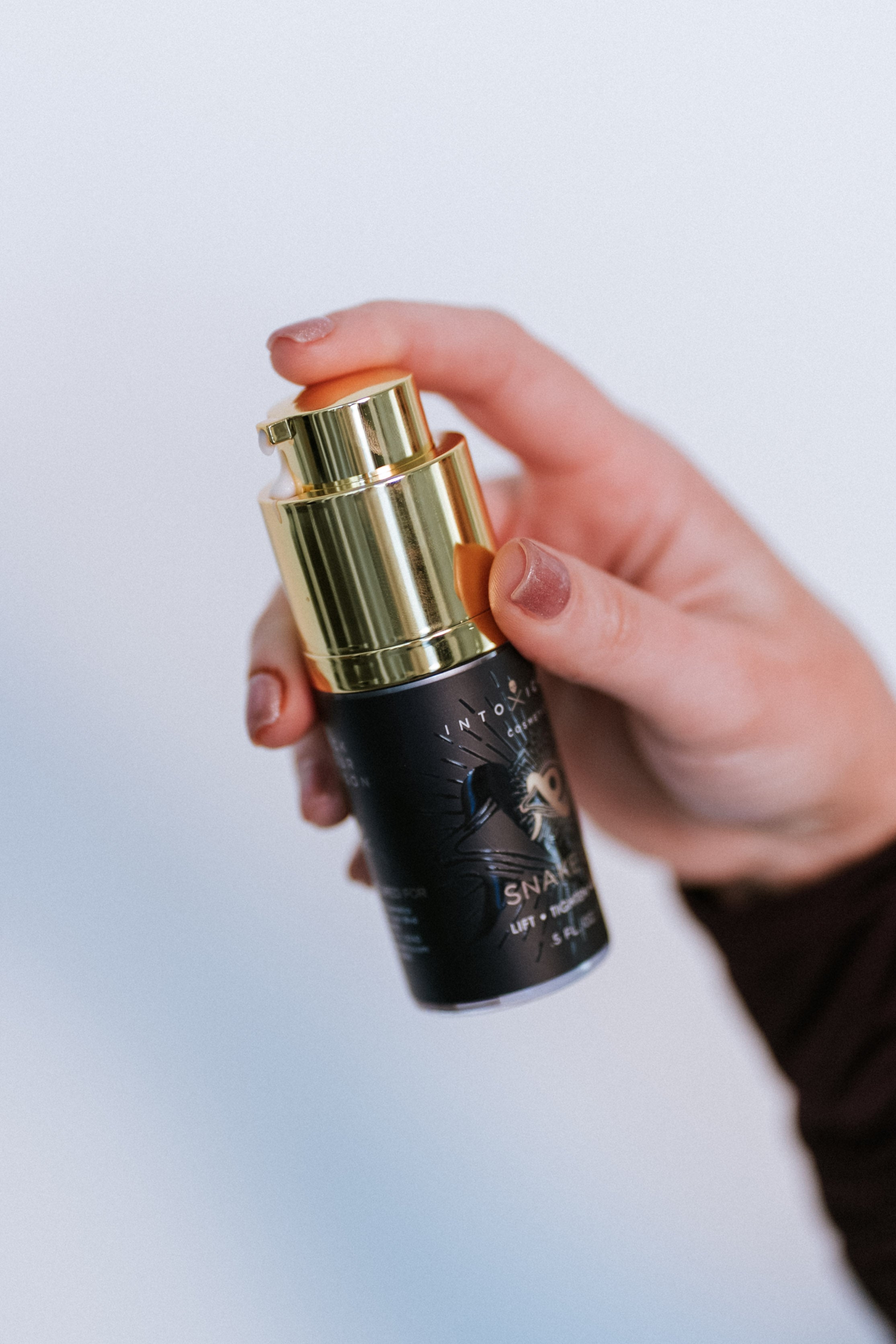
This is why a hydrating serum and a moisturizer can serve different purposes within the same routine. Snail Serum, for example, helps replenish hydration, support moisture retention, and improve the skin’s suppleness while also addressing fine lines and firmness. Antidote Moisturizer complements those benefits by providing long-lasting hydration for up to 72 hours while supporting the skin’s overall condition.
Together, these products address different aspects of maintaining hydrated skin rather than simply adding another layer of moisture. The goal is not to use as many products as possible, but to choose formulas that help your complexion maintain comfort beyond the first few minutes after application.
Your Skincare Routine Plays A Role In Hydration
Maintaining hydrated skin involves more than choosing the right moisturizer. Every step of your skincare routine can influence how your complexion looks and feels throughout the day. When these steps work together, they help support smoother texture, moisture retention, and overall skin health.
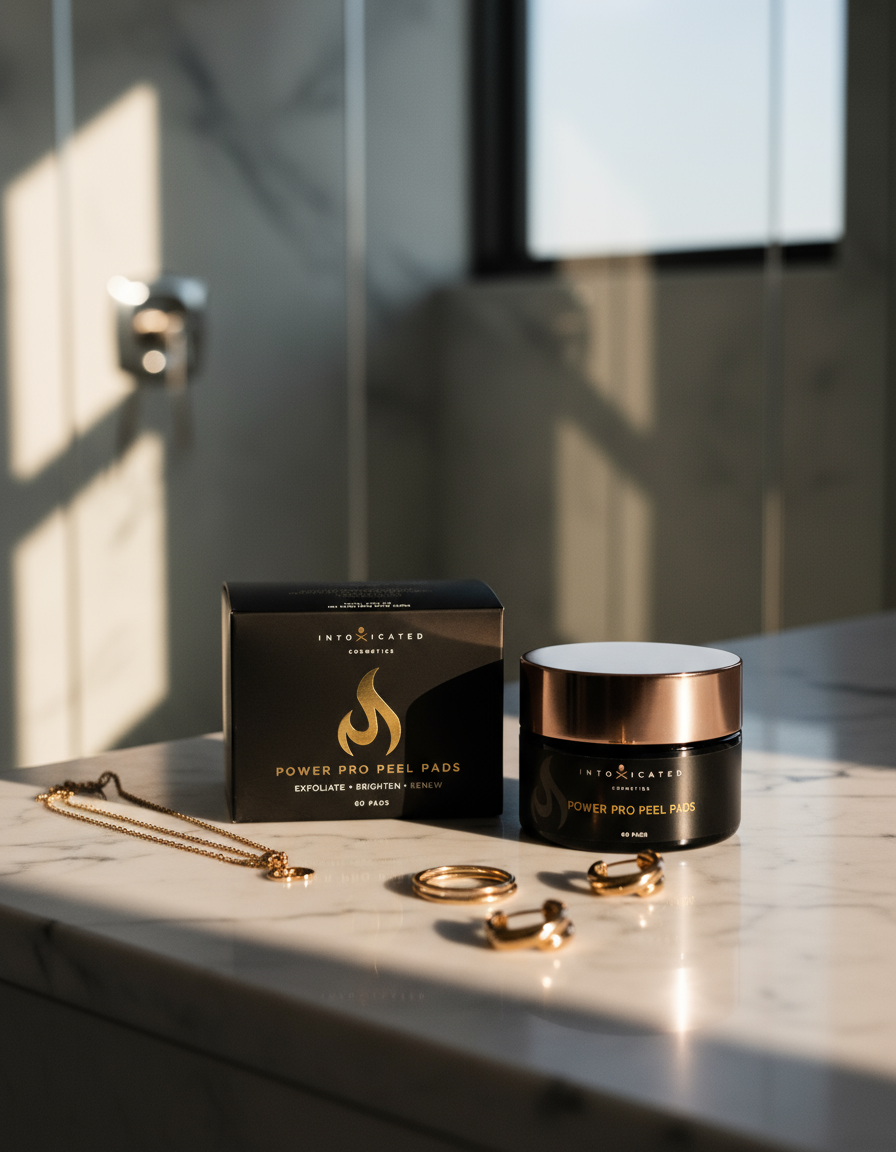
Exfoliation, for example, helps remove accumulated dead skin cells that can leave the complexion feeling rough and prevent skincare products from working as effectively. Consistent exfoliation, when appropriate for your skin’s tolerance, can help maintain a smoother surface and complement the hydrating products that follow. The key is choosing the right level and frequency of exfoliation for your skin rather than assuming more intensive treatments will always produce better results.
Hydration is equally important throughout the routine. Pairing effective cleansing and exfoliation with serums and moisturizers that support moisture retention allows you to address texture and dryness without overlooking the skin’s protective barrier. Rather than relying on one product to resolve persistent dryness, the goal is to build a routine in which each step contributes to maintaining healthy, comfortable skin.
Healthy Hydration Goes Beyond Moisturizer
Persistent dryness does not always mean your moisturizer is ineffective or that your skin simply needs a richer formula. Hydration is influenced by several factors, including natural oil production, environmental conditions, the skin’s protective barrier, and the products used throughout your routine.
Understanding how these factors interact can make it easier to recognize what your complexion actually needs. Sometimes that means incorporating a hydrating serum, choosing a moisturizer with longer-lasting benefits, or ensuring the rest of your routine provides the right balance of treatment and hydration.
Ultimately, well-hydrated skin is not defined by how soft it feels immediately after applying moisturizer. What matters is its ability to maintain hydration, remain comfortable, and function effectively throughout the day. The goal is not necessarily to apply more, but to make sure every step of your routine is working toward that balance.
Comments